Sign In

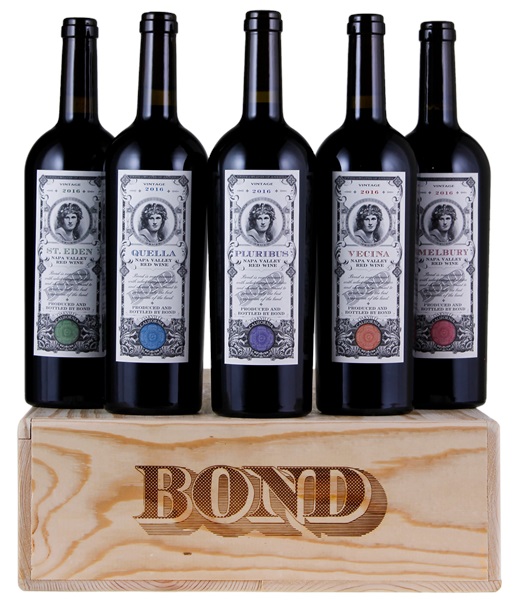
2016 Bond

5-bottle Horizontal, Wood Case

Minimum Bid is $1,985
(Ships separately, charges apply)
Ends Sunday, 7pm Pacific

ITEM 10590252 - Removed from a temperature and humidity controlled wine storage unit; Obtained by inheritance

Bidder Amount Total
$1,985
2016 Bond
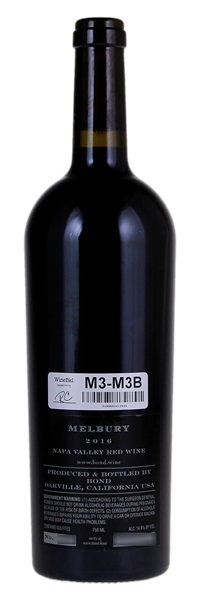
Front Item Photo

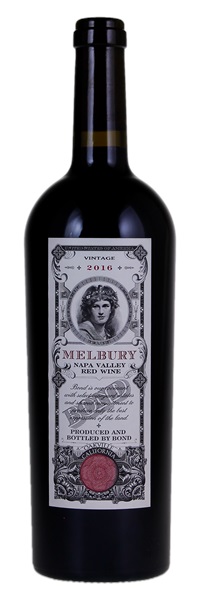
2016 Bond Melbury

RATINGS

100Jeb Dunnuck

Awesome notes of cassis, blackcurrants, toasted bread, white flowers, and spice give way to an ethereal, seamless, yet opulent wine that has that rare mix of power and elegance possessed by all truly great wines.

99James Suckling

Blueberries, forest floor, and hints of fresh flowers on the nose. Full-bodied, very dense and polished with amazingly tight and integrated fruit. Persistent finish.

98Vinous / IWC

...powerful and yet medium in body, with layers of exotic spice, dark red cherry, blood orange, leather, licorice and star anise that give it an exotic character I don't remember seeing in the past.

97+ The Wine Advocate

Medium to full-bodied, the palate is practically electric with energetic fruit, framed by firm, grainy tannins and invigorating freshness, finishing long and minerally.

96Wine Spectator

Featuring currant and fig notes, this offers a juicy, slightly rounded feel, revealing melted licorice, sweet tobacco and warm gravel accents along the way.
PRODUCER

Bond

Bond is an Oakville, California, winery that makes widely acclaimed single-vineyard Cabernet Sauvignons based on an unusual business model. Founded in the late 1990s by H. William Harlan, who in 1984 founded Harlan Estate, Bond uses grapes from five vineyards that Harlan does not own. The winery refers to its offerings as “a portfolio of wines that are diverse in their geographic representation…” The name Bond was selected to highlight the “bond” between Harlan, his winemaking team, which includes his longtime associate Robert Levy, director of winegrowing, and the independent growers who supply the grapes. Each of the “grand crus,” as Harlan calls his Bond wines, has been given a proprietary name, such as Vecina and Melbury, meaning that although the goal is to make Cabernet Sauvignons using only single vineyard grapes, Bond reserves the right to blend if necessary. Besides the “grand crus” Bond makes Matriarch, a second wine. The vineyards Bond leases are 7 to 10 acres each.

REGION

United States, California, Napa Valley

Napa Valley AVA is the most famous winemaking region in the United States and one of the most prestigious in the world. With nearly 43,000 acres of vineyards and more than 300 wineries, it is the heart of fine wine production in the United States. Winemaking started in Napa in 1838 when George C. Yount planted grapes and began producing wine commercially. Other winemaking pioneers followed in the late 19th century, including the founders of Charles Krug, Schramsberg, Inglenook and Beaulieu Vineyards. An infestation of phylloxera, an insect that attacks vine roots, and the onset of Prohibition nearly wiped out the nascent Napa wine industry in the early 20th century. But by the late 1950s and early 1960s Robert Mondavi and other visionaries were producing quality wines easily distinguishable from the mass-produced jug wines made in California’s Central Valley. Napa Valley’s AVA was established in 1983, and today there are 16 sub-appellations within the Napa Valley AVA. Many grapes grow well in Napa’s Mediterranean climate, but the region is best known for Cabernet Sauvignon. Chardonnay is also very successfully cultivated, and about 30% of the AVA’s acreage is planted to white grapes, with the majority of those grapes being Chardonnay,
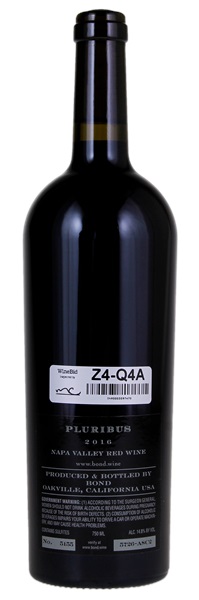
Front Item Photo

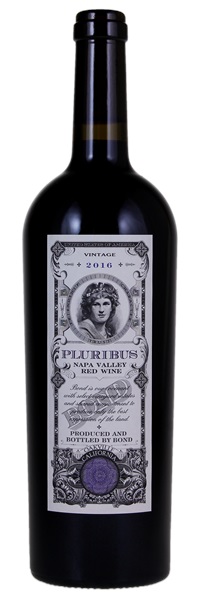
2016 Bond Pluribus

RATINGS

99The Wine Advocate

...baked plums, crushed blackcurrants, boysenberries and redcurrant jelly plus suggestions of charcoal, black olives, Sichuan pepper and bay leaves with a waft of pain grille. Full-bodied, it has a rock-solid frame of very firm, ripe, grainy tannins and bold freshness supporting the muscular black fruit and savory accents, finishing with phenomenal length and loads of earthy layers.

96Wine Spectator

Dark and juicy, yet youthfully compact, with a balled-up core of steeped fig and blackberry paste flavors that uncurls slowly in the glass, while tobacco, roasted alder and smoldering charcoal notes weave throughout. The long finish shows power and refinement.
PRODUCER

Bond

Bond is an Oakville, California, winery that makes widely acclaimed single-vineyard Cabernet Sauvignons based on an unusual business model. Founded in the late 1990s by H. William Harlan, who in 1984 founded Harlan Estate, Bond uses grapes from five vineyards that Harlan does not own. The winery refers to its offerings as “a portfolio of wines that are diverse in their geographic representation…” The name Bond was selected to highlight the “bond” between Harlan, his winemaking team, which includes his longtime associate Robert Levy, director of winegrowing, and the independent growers who supply the grapes. Each of the “grand crus,” as Harlan calls his Bond wines, has been given a proprietary name, such as Vecina and Melbury, meaning that although the goal is to make Cabernet Sauvignons using only single vineyard grapes, Bond reserves the right to blend if necessary. Besides the “grand crus” Bond makes Matriarch, a second wine. The vineyards Bond leases are 7 to 10 acres each.

REGION

United States, California, Napa Valley

Napa Valley AVA is the most famous winemaking region in the United States and one of the most prestigious in the world. With nearly 43,000 acres of vineyards and more than 300 wineries, it is the heart of fine wine production in the United States. Winemaking started in Napa in 1838 when George C. Yount planted grapes and began producing wine commercially. Other winemaking pioneers followed in the late 19th century, including the founders of Charles Krug, Schramsberg, Inglenook and Beaulieu Vineyards. An infestation of phylloxera, an insect that attacks vine roots, and the onset of Prohibition nearly wiped out the nascent Napa wine industry in the early 20th century. But by the late 1950s and early 1960s Robert Mondavi and other visionaries were producing quality wines easily distinguishable from the mass-produced jug wines made in California’s Central Valley. Napa Valley’s AVA was established in 1983, and today there are 16 sub-appellations within the Napa Valley AVA. Many grapes grow well in Napa’s Mediterranean climate, but the region is best known for Cabernet Sauvignon. Chardonnay is also very successfully cultivated, and about 30% of the AVA’s acreage is planted to white grapes, with the majority of those grapes being Chardonnay,
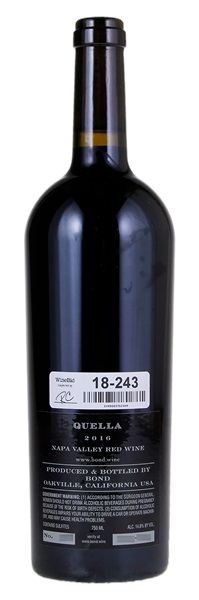
Front Item Photo

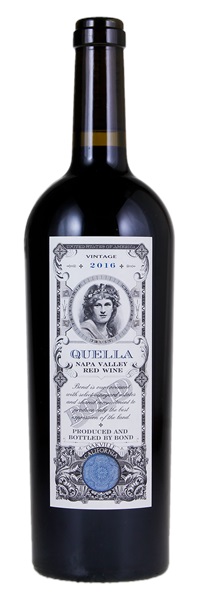
2016 Bond Quella

RATINGS

100James Suckling

This is really crazy with decadent and opulent aromas of dark fruit and sliced meat. Hints of dried fruit, too. Sexy. Full-bodied with firm and silky tannins that fan out into the wine and deliver a beautiful frame and focus.

98Jeb Dunnuck

Always a “Wow” wine...showing its classic, savory, mineral style as well as stunning notes of blueberries, plums, spice box, herbs de Provence, and melted licorice. This full-bodied, ripe, powerful wine has a wealth of tannins...

97Vinous / IWC

Savory and aromatic...impresses for its precision and captivating beauty... Time in the glass brings out a range of licorice, sage, spice, tobacco and cedar overtones...a wine of completeness and harmony...

96+ The Wine Advocate

...notes of warm black plums, blueberry preserves, licorice and crème de cassis with suggestions of wild sage, pencil lead, camphor and Marmite toast. Medium to full-bodied, the palate is like a tightly wound spring, featuring bags of black fruit and earthy nuances and a solid, grainy frame, finishing long and refreshing.

96Wine Spectator

Distinctive, with aromatic savory, sassafras and bay leaf notes leading off, followed quickly by rich yet supple waves of mulled currant and blackberry fruit. A singed juniper accent threads up the finish, with ample acidity and tannins on the finish.
PRODUCER

Bond

Bond is an Oakville, California, winery that makes widely acclaimed single-vineyard Cabernet Sauvignons based on an unusual business model. Founded in the late 1990s by H. William Harlan, who in 1984 founded Harlan Estate, Bond uses grapes from five vineyards that Harlan does not own. The winery refers to its offerings as “a portfolio of wines that are diverse in their geographic representation…” The name Bond was selected to highlight the “bond” between Harlan, his winemaking team, which includes his longtime associate Robert Levy, director of winegrowing, and the independent growers who supply the grapes. Each of the “grand crus,” as Harlan calls his Bond wines, has been given a proprietary name, such as Vecina and Melbury, meaning that although the goal is to make Cabernet Sauvignons using only single vineyard grapes, Bond reserves the right to blend if necessary. Besides the “grand crus” Bond makes Matriarch, a second wine. The vineyards Bond leases are 7 to 10 acres each.

REGION

United States, California, Napa Valley, Howell Mountain

Howell Mountain AVA in Northeastern Napa Valley was the first of Napa Valley’s sub-appellations, earning its own designation in 1984, just a year after Napa Valley became an appellation. As the name suggests, the AVA is in one of the highest elevations in the area. Every vineyard in the appellation is at least 1,400 feet above sea level. Some vineyards are as high as 2,200 feet and because of their altitude most of the AVA’s vineyards receive more sun than vineyards at lower elevations, which are affected by fog from the Pacific Ocean and the San Pablo Bay. Howell Mountain was home to vineyards in the late 19th century, but winemaker Randy Dunn is considered the area’s most influential modern pioneer. Dunn moved to Howell Mountain in 1979, acquired property and began making exceptionally rich Cabernet Sauvignon. The AVA also grows Zinfandel, Chardonnay, Merlot and Cabernet Franc. There are 600 vineyard acres within Howell Mountain AVA.
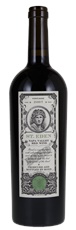
Front Item Photo

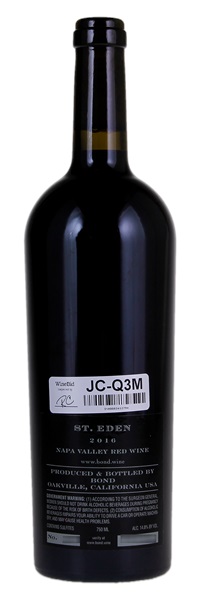
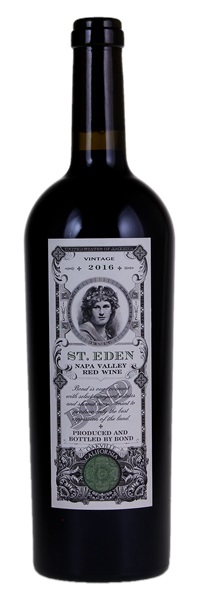
2016 Bond St. Eden

RATINGS

100Jeb Dunnuck

...offers up a smorgasbord of crème de cassis, blackberries, crushed rocks, toasty oak, new leather, and tobacco. Deep, full-bodied, powerful yet also incredibly elegant...

98The Wine Advocate

Medium to full-bodied, the palate features taut, muscular black and blue fruits, framed by firm, ripe tannins and just enough freshness, finishing long with loads of savory sparks.

98Vinous / IWC

There is very clearly tremendous depth and intensity in the glass, along with a good bit of sensuality that starts to appear with a bit of air. The 2016 is vivid and classy, qualities that will become even more apparent over time.

98James Suckling

Blackberry, black-cherry and floral aromas just pop out. Transparent and vivid. Dusty undertones. Full-bodied, layered and chewy with powerful density and richness. Extremely long and flavorful.

96Wine Spectator

This offers waves of steeped fig and blackberry paste flavors, laced with chocolate, warm tobacco and tar notes. The tarry edge emerges steadily through the tightly knit finish, but this retains good energy despite the dark and hefty profile.
PRODUCER

Bond

Bond is an Oakville, California, winery that makes widely acclaimed single-vineyard Cabernet Sauvignons based on an unusual business model. Founded in the late 1990s by H. William Harlan, who in 1984 founded Harlan Estate, Bond uses grapes from five vineyards that Harlan does not own. The winery refers to its offerings as “a portfolio of wines that are diverse in their geographic representation…” The name Bond was selected to highlight the “bond” between Harlan, his winemaking team, which includes his longtime associate Robert Levy, director of winegrowing, and the independent growers who supply the grapes. Each of the “grand crus,” as Harlan calls his Bond wines, has been given a proprietary name, such as Vecina and Melbury, meaning that although the goal is to make Cabernet Sauvignons using only single vineyard grapes, Bond reserves the right to blend if necessary. Besides the “grand crus” Bond makes Matriarch, a second wine. The vineyards Bond leases are 7 to 10 acres each.

REGION

United States, California, Napa Valley, Oakville

Oakville AVA is one of the two or three most prestigious appellations in the United States. Located in the heart of Napa Valley, its 5,000 vineyard acres produce some of the world’s most acclaimed Cabernet Sauvignon, including such California “cult” Cabs as Screaming Eagle and Harlan Estate. Before those boutique producers rose to fame in the 1990s, Oakville was already renowned as home to Robert Mondavi, Opus One and Groth Vineyards, among others. Along with the famous wineries, there are premier vineyards in this AVA, including Martha’s Vineyard and To Kalon Vineyard. To Kalon was first planted in 1868 by H.W. Crabb, one of California’s first viticultural researchers, and he named the vineyard after the ancient Greek phrase for “most beautiful.” Though many grapes can be successfully grown in Oakville, Cabernet Sauvignon is king. Merlot and Chardonnay are also frequently planted. Oakville Cabs are prized for their richness, complexity and weight. Oakville was designated as an AVA in 1993.
Front Item Photo

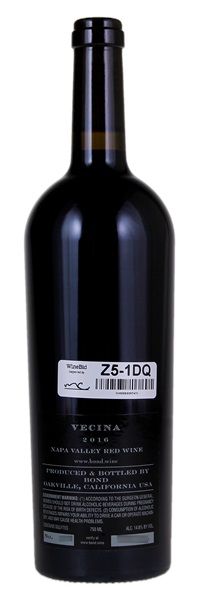
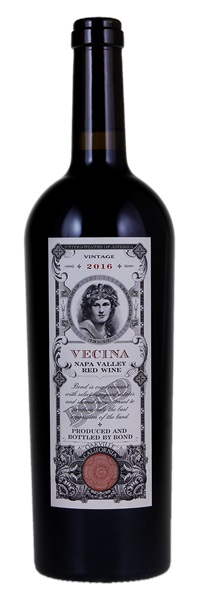
2016 Bond Vecina

RATINGS

100The Wine Advocate

...slips sensuously out of the glass with gorgeous black cherries, kirsch, wild blueberries and blackcurrant pastilles notes plus suggestions of bouquet garni, pencil lead, tilled earth and underbrush. Full-bodied, taut and packed with ripe, expressive, exquisitely accented black and blue fruits, it has loads of earthy sparks and a compelling fine-grained nature to the firm texture, finishing long and layered. This bright, energetic, incredibly nuanced beauty is built like a brick house...

96Wine Spectator

Intense from the get-go, featuring dark currant and steeped plum fruit, wrapped in licorice root, warm gravel and espresso cream notes. The long, muscular finish smolders, with juniper and tobacco elements keeping pace with the fruit. Seriously built.

PRODUCER

Bond

Bond is an Oakville, California, winery that makes widely acclaimed single-vineyard Cabernet Sauvignons based on an unusual business model. Founded in the late 1990s by H. William Harlan, who in 1984 founded Harlan Estate, Bond uses grapes from five vineyards that Harlan does not own. The winery refers to its offerings as “a portfolio of wines that are diverse in their geographic representation…” The name Bond was selected to highlight the “bond” between Harlan, his winemaking team, which includes his longtime associate Robert Levy, director of winegrowing, and the independent growers who supply the grapes. Each of the “grand crus,” as Harlan calls his Bond wines, has been given a proprietary name, such as Vecina and Melbury, meaning that although the goal is to make Cabernet Sauvignons using only single vineyard grapes, Bond reserves the right to blend if necessary. Besides the “grand crus” Bond makes Matriarch, a second wine. The vineyards Bond leases are 7 to 10 acres each.

REGION

United States, California, Napa Valley

Napa Valley AVA is the most famous winemaking region in the United States and one of the most prestigious in the world. With nearly 43,000 acres of vineyards and more than 300 wineries, it is the heart of fine wine production in the United States. Winemaking started in Napa in 1838 when George C. Yount planted grapes and began producing wine commercially. Other winemaking pioneers followed in the late 19th century, including the founders of Charles Krug, Schramsberg, Inglenook and Beaulieu Vineyards. An infestation of phylloxera, an insect that attacks vine roots, and the onset of Prohibition nearly wiped out the nascent Napa wine industry in the early 20th century. But by the late 1950s and early 1960s Robert Mondavi and other visionaries were producing quality wines easily distinguishable from the mass-produced jug wines made in California’s Central Valley. Napa Valley’s AVA was established in 1983, and today there are 16 sub-appellations within the Napa Valley AVA. Many grapes grow well in Napa’s Mediterranean climate, but the region is best known for Cabernet Sauvignon. Chardonnay is also very successfully cultivated, and about 30% of the AVA’s acreage is planted to white grapes, with the majority of those grapes being Chardonnay,