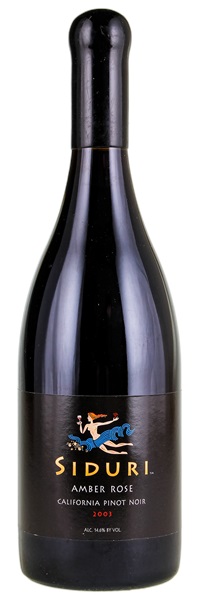
Remarkably complex, with a broad range of rich plum, blackberry and black cherry fruit. Bold and concentrated, the flavors unfold gracefully, revealing extra nuances, ending with a pretty splash of toasty oak.
Siduri is based in Santa Rosa but sources its Pinot Noir grapes from vineyards from Santa Barbara to the Willamette Valley. Founded in 1994 by a pair of wine enthusiasts from Texas, Adam and Dianne Lee, the couple named their enterprise after the Babylonian goddess of wine. The estate only produces Pinot Noir, which consistently wins compliments from reviewers. Robert M. Parker Jr. has called Siduri “one of the California’s top Pinot Noir producers.”
Napa Valley AVA is the most famous winemaking region in the United States and one of the most prestigious in the world. With nearly 43,000 acres of vineyards and more than 300 wineries, it is the heart of fine wine production in the United States. Winemaking started in Napa in 1838 when George C. Yount planted grapes and began producing wine commercially. Other winemaking pioneers followed in the late 19th century, including the founders of Charles Krug, Schramsberg, Inglenook and Beaulieu Vineyards. An infestation of phylloxera, an insect that attacks vine roots, and the onset of Prohibition nearly wiped out the nascent Napa wine industry in the early 20th century. But by the late 1950s and early 1960s Robert Mondavi and other visionaries were producing quality wines easily distinguishable from the mass-produced jug wines made in California’s Central Valley. Napa Valley’s AVA was established in 1983, and today there are 16 sub-appellations within the Napa Valley AVA. Many grapes grow well in Napa’s Mediterranean climate, but the region is best known for Cabernet Sauvignon. Chardonnay is also very successfully cultivated, and about 30% of the AVA’s acreage is planted to white grapes, with the majority of those grapes being Chardonnay,
This red wine is relatively light and can pair with a wide variety of foods. The grape prefers cooler climates and the wine is most often associated with Burgundy, Champagne and the U.S. west coast. Regional differences make it nearly as fickle as it is flexible.

 Preferred storage and shipping partner of
 Share
Share
 Post
Post
 Tweet
Tweet
 Copy Link





 <
<
 >
> service@winebid.com
 (888) 638-8968