Sign In

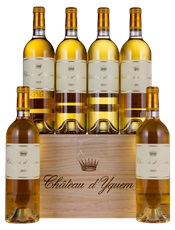
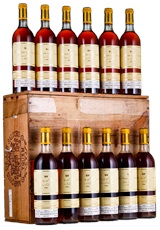
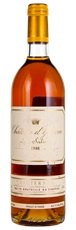
1929 Château d'Yquem

Capsule condition issue; lightly elevated cork; very top shoulder fill; label condition issue

Removed from a professional wine storage facility; Purchased from a private collector

5 available
Bid *
Ends Sunday, 7pm Pacific
Have a 1929 Château d'Yquem to sell?
Get a Free Estimate

RATINGS

100Vinous / IWC

...ranks as one of the greatest Sauternes that I have ever tasted... ...intense bouquet with blood orange, Japanese yuzu, elderflower and golden raisins that are all delivered with the most breath-taking definition. The palate is perfectly balanced, symmetrical even, its acidity effortlessly slicing through the concentrated, rich botrytised fruit.... ...perhaps only equaled by the 1945. Monumental. Tasted at Epure restaurant in Hong Kong. (February 2022)

97Wine Spectator

From a grand vintage, this is very supple, the creaminess complemented by lemon-spiked acidity. Offers amazing purity of fruit, and a long, pineapple-flavored finish. Great from start to finish.

19Jancis Robinson

Shaded dark reddish brown. According to Richard Olney, who wrote the famous monograph on Yquem, this wine was always mahogany coloured. So dense! Hambleton Hall's sommelier Dominique Baduel suggests it’s like liquorice. Sweet, almost coconut nose. Very big, sweet but with lots of acidity. Macerated plums and extraordinarily fresh. No sign of any oxidation. Very slightly chewy on the end. (JR) November 2021

PRODUCER

Château d'Yquem

Château d’Yquem was the only wine in the Sauternes/Barsac area to receive a First Growth distinction in the original and still highly influential 1855 Bordeaux classification. The region has been famous for many centuries for its sweet white wines, now considered dessert wines, and Château d’Yquem has always been the undisputed king of Sauternes. The estate also makes a dry white Bordeaux called Ygrec “Y,” which receives excellent reviews despite being far less well known than the famous dessert wine made at the estate. Château d’Yquem sits on a small hill and has an ideal terroir and perfect microclimate. According to local lore the 19th century proprietors of Château d’Yquem were the first French winemakers to recognize the value of so-called “noble rot,” which is a benevolent form of botrytis bunch rot, a fungal attack on the vines and grapes. Château d’Yquem includes 254.2 acres of vineyards planted to 80% Semillon and 20% Sauvignon. On average the vines are 30 years old and about 110,000 bottles are produced each year. The distinguished winemaker and estate director Pierre Lurton is President and CEO. Lurton is also Managing Director of Cheval-Blanc.

REGION

France, Bordeaux, Sauternes

Sauternes makes the world’s most famous dessert wines. Though the appellation lies within the Graves region of Bordeaux’s left bank, the appellation makes only sweet wines from white grapes, primarily Semillon sometimes blended with small amounts of Muscadelle. The five communes within Sauternes are Barsac, Bommes, Fargues, Preignac and Sauternes. Barsac also has its own appellation and, typically, Barsac wines are slightly drier and lighter than other Sauternes. Sauternes are made when weather conditions result in a mold called Botrytis cinerea developing on the grapes, which causes them to become especially sweet. Sauternes are not produced every vintage, so successful vintages become especially collectible. Sauternes estates were classified in 1855, and Château d’Yquem, the appellation’s most prestigious estate, was ranked in a class by itself as a Premier Grand Cru. Château d’Yquem wines are among the most prized wines in the world.

VINTAGE

1929 Château d'Yquem