Sign In

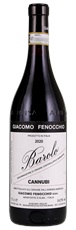
2020 E. Pira e Figli Barolo Cannubi

Not Currently In Auction

Latest Sale Price

February 15, 2026 - $93

Estimate

RATINGS

97The Wine Advocate

Dark cherry, blackcurrant, rose blossom, pink pepper and white limestone add considerable high-toned notes. The freshness is great and the fruit stays juicy, fueling a long, elegant finish.

97James Suckling

Nervy and complex nose with excellent depth. Oranges, nutmeg, steel, mineral and a touch of white pepper and oyster shell. Broad and expansive on the palate with very structured, chalky tannins that extend to a lengthy, mineral finish.

96Wine Spectator

A well of pure cherry bubbles up in this red, complemented by rose, strawberry, mineral, wet pine and underbrush aromas and flavors. Though exuding finesse, this is layered with chalky tannins, yet still extends with a kaleidoscope of red fruit, mineral and savory notes on the long finish.

96Jeb Dunnuck

Notes of crushed rocks leap...exuberant aromas of ripe, fresh black raspberries and pure cherry candies, the palate is rich in its structure, with ripe tannins and broad shoulders, but it remains light on its feet, with loads of purity and a generous, elegant nature.

93Vinous / IWC

...elegant, silky and nuanced. Crushed red berry fruit, mint, cinnamon and orange peel lend notable aromatic presence to this mid-weight, understated Barolo. All the elements are nicely balanced throughout.

17.5+ Jancis Robinson

Exciting, perfumed raspberry nose with a whisper of complex oak and a layer of mace and peppercorns. Sappy raspberry fruit with fine, gravelly tannins. Great freshness, elegance and precision.

PRODUCER

E. Pira e Figli

Having the honor of becoming the first woman winemaker in the Langhe, Chiara Boschis has eleven hectares of vines in the communes of Barolo, Serralunga and Monforte d'Alba. After running the estate for over twenty years, her brother Giorgio, his wife Daniella and their three daughters have joined Chiara to not only share the efforts, but provide the next generation of female successors to the estate. E. Pira- Chiara Boschis was the first estate in Cannubi to convert to organic farming and has worked tirelessly over the last few years to convince the rest of the growers in the district to become organic!

REGION

Italy, Piedmont, Barolo

Barolo is one of Italy’s greatest wine appellations. In fact many cognoscenti of Italian wines consider Barolo to be the apex of Italian winemaking. Barolo is sometimes referred to as “the king of wines, and the wine of kings” partly because until the mid-19th century Piedmont was owned by the noble House of Savoy, the historic rulers of northwestern Italy. And the Savoys had a taste for Nebbiolo. Nestled into the rolling hills of Langhe, the Barolo DOCG includes 11 communes, one of which is the town of Barolo. There are 4,200 vineyard acres in the appellation and since the late 19th century growers have tried to identify their best vineyards. By marketing some vineyards as better quality than others, Barolo producers have followed the Burgundian custom of making single vineyard, or “cru” vineyard bottlings. As in neighboring Barbaresco, the Barolo DOCG requires that wines be 100% Nebbiolo, a grape thought of as the Pinot Noir of Italy. Records show that Nebbiolo was grown in the Piedmont as early as the 14th century, and despite being somewhat finicky – it is late to ripen and easily damaged by adverse weather --- Nebbiolo makes highly aromatic and powerful red wines. Until the mid-19th century Nebbiolos of Piedmont were vinified as sweet wines, though that ended in the late 19th century when a French oenologist was invited to Piedmont to show producers how to make dry reds. Barolo was made a DOC in 1966 and upgraded to DOCG status in 1980. Barolos must be aged at least three years, at least two of those years in wood. Barolos are tannic and robust and generally need at least five years to soften into complex, earthy wines.

TYPE

Red Wine, Nebbiolo, D.O.C.G.

This red grape is most often associated with Piedmont, where it becomes DOCG Barolo and Barbaresco, among others. Its name comes from Italian for “fog,” which descends over the region at harvest. The fruit also gains a foggy white veil when mature.

VINTAGE

2020 E. Pira e Figli Barolo Cannubi

Chiara Boschis