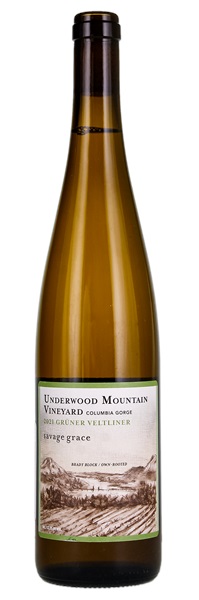
...complex aromatics dazzle, with notes of lemon, cocoa butter, bacon fat and wet slate. Yes, bacon fat. Lemons grilled on the backyard barbecue mix with flavors of pan-seared butter scallops and fennel. It's medium bodied with crisp acidity.
Oregon is the fourth largest producer of wine in the U.S., after California, which produces nearly 90% of all wine made in the U.S., Washington State and New York State. Though winemaking in Oregon started in the 1850s, thanks in part to several German immigrants who planted German wine grapes, as in other American wine regions the Oregon industry folded in the beginning of the 20th century during Prohibition. Starting in the early 1960s modern winemaking pioneers planted vineyards in south central Oregon and the more northern Willamette Valley. Pinot Noir did well in the cool microclimates of Oregon, and by the late 1960s the state was already earning a reputation for its artisanal Pinot Noirs. By the 1970s innovative Oregon viticulturalists were traveling to Burgundy for Pinot Noir clones, and to Alsace for Pinot Blanc clones. Today the state has about 20,000 acres planted to wine grapes and more than 400 wineries. Pinot Noir remains the state’s most celebrated wine, followed by Chardonnay, Riesling and Pinot Gris. The Willamette Valley just south of Portland is Oregon’s most acclaimed wine producing region.
This white grape is widely grown in Austria, Czech Republic and Slovakia. As a wine, it is food friendly and has beaten top Chardonnays in blind tastings. It compares to a white Burgundy in richness and texture, and offers an exotic alternative to Sauvignon Blanc.
VINTAGE
2021 Savage Grace Wines Underwood Mountain Gruner Veltliner

 Preferred storage and shipping partner of
 Share
Share
 Post
Post
 Tweet
Tweet
 Copy Link




 <
<
 >
> service@winebid.com
 (888) 638-8968