Sign In

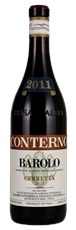
2021 Burlotto Barolo Castelletto

Removed from a professional wine storage facility; Purchased at auction; Consignor is second owner

Ends Sunday, 7pm Pacific

RATINGS

98The Wine Advocate

...crushed limestone, violet, blood orange and a hint of glossy latex. The effect is brilliant and intense...impeccable balance, with polished tannins and shiny fruit flavors.

97Vinous / IWC

Menthol, spice, leather, lavender and sage...loud and clear, namely dark-fleshed fruit, balsamic layers, mineral undertones and imposing tannins

97+ Jeb Dunnuck

...notable tension and nervous energy upfront at this early tasting....spiced notes of grenadine, anise, wet stones, and clove...palate has a more vertical feel, with compact, coiled tannins, ripe acidity, and a long-lasting finish.

96James Suckling

An austere nose of rhubarb, restrained red currants and violets. The palate is zesty, with a full body and thick, compact yet ripe tannins. A chewy finish with a long, savory aftertaste reminiscent of underbrush.

17+ Jancis Robinson

Concentrated raspberry with the subtlest hints of fruitcake, and very slow to fully open up. Great purity of fruit on the palate. Plenty of concentration and at the same time elegance. Firm structure that falls perfectly in line with the fruit on the finish. Embryonic.

PRODUCER

Burlotto

G.B. Burlotto in Verduno has a storied past. The estate was founded in the late 19th century by Commendatore Giovanni Battista Burlotto who made the wine himself until his death in 1927. The Commendatore’s wines were highly esteemed in the early 20th century and they rivaled French Bordeaux for space in well-stocked European cellars. After his death the estate lapsed and Burlotto wines lost prestige. Today, however, G.B. Burlotto wines are once again highly acclaimed thanks to the work of Fabio Alessandria, the founder’s great-great-grandson. The 37-acres of vineyards are planted to Nebbiolo, Barbera, Dolcetto, Cabernet Sauvignon and Freisa, a red grape native to Piedmont. The Monvigliero Vineyard produces some of Burlotto’s most sought-after Barolos. These Barolos have cult status in Italy and Europe. The estate also makes Langhe Nebbiolo, Barbera, Dolcetto, Freisa and Pelaverga, a unique red wine made from the native Pelaverga grape.

REGION

Italy, Piedmont, Barolo

Barolo is one of Italy’s greatest wine appellations. In fact many cognoscenti of Italian wines consider Barolo to be the apex of Italian winemaking. Barolo is sometimes referred to as “the king of wines, and the wine of kings” partly because until the mid-19th century Piedmont was owned by the noble House of Savoy, the historic rulers of northwestern Italy. And the Savoys had a taste for Nebbiolo. Nestled into the rolling hills of Langhe, the Barolo DOCG includes 11 communes, one of which is the town of Barolo. There are 4,200 vineyard acres in the appellation and since the late 19th century growers have tried to identify their best vineyards. By marketing some vineyards as better quality than others, Barolo producers have followed the Burgundian custom of making single vineyard, or “cru” vineyard bottlings. As in neighboring Barbaresco, the Barolo DOCG requires that wines be 100% Nebbiolo, a grape thought of as the Pinot Noir of Italy. Records show that Nebbiolo was grown in the Piedmont as early as the 14th century, and despite being somewhat finicky – it is late to ripen and easily damaged by adverse weather --- Nebbiolo makes highly aromatic and powerful red wines. Until the mid-19th century Nebbiolos of Piedmont were vinified as sweet wines, though that ended in the late 19th century when a French oenologist was invited to Piedmont to show producers how to make dry reds. Barolo was made a DOC in 1966 and upgraded to DOCG status in 1980. Barolos must be aged at least three years, at least two of those years in wood. Barolos are tannic and robust and generally need at least five years to soften into complex, earthy wines.

TYPE

Red Wine, Nebbiolo, D.O.C.G.

This red grape is most often associated with Piedmont, where it becomes DOCG Barolo and Barbaresco, among others. Its name comes from Italian for “fog,” which descends over the region at harvest. The fruit also gains a foggy white veil when mature.

VINTAGE

2021 Burlotto Barolo Castelletto