Sign In

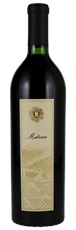
2020 Vina Almaviva Epu

Not Currently In Auction

Latest Sale Price

February 1, 2026 - $46

Estimate

RATINGS

94James Suckling

Lots of finely roasted sweet spice and roasted sesame to the blackberries, cassis and iron, together with hints of blue fruit and cured meat. A medium-to full-bodied palate, filled with rather generous sweet berries. Fleshy, supple and savory with quite fine-grained tannins and a long finish.

93Wine Spectator

Shows lovely floral blueberry and loam notes up front, while the fleshy core of concentrated blackberry and cassis grabs your attention and lingers nicely around saline and iron notes. Ends with firm, dusty tannins and hints of dark chocolate.

93Vinous / IWC

Presents intense blackcurrant and blackberry aromas with hints of mint and herbs over a bed of oak, accompanied by cedar and sweet spice notes. Indulgent and expansive in the mouth...tannins are refined. A long-lasting, rich combination.

91Wine Enthusiast

...has a dense fruit-forward nose, exhibiting maraschino cherry and a light note of green bell pepper...well-structured and delivers plenty of fruit flavors. Plum, blackberry and cherry merge with vanilla and herbs alongside moderate acidity...finish is long and offers hints of tobacco.

90.1CellarTracker

17Jancis Robinson

Black cherry, herbal hints, liquorice. There's plenty of sophisticated layering here, and a chocolatey finish. Velvet tannins...

PRODUCER

Vina Almaviva

Vina Almaviva was founded in 1997 by Baroness Philippine de Rothschild, Chairman of the advisory board of Baron Philippe de Rothschild, and Eduardo Guilisati Tagle, chairman of Vina Concha y Toro. The 200-acre estate is in the Maipo Valley, in Central Chile, and the first vintage was in 1998. The flagship wine, Almaviva, is a Bordeaux-style blend of Cabernet Sauvignon, Carmenere, Cabernet Franc and Petit Verdot. The wine wins ratings in the 90s from international reviewers.

REGION

Chile

Chile has produced wine since the 16th century, when Spanish conquistadores brought grape vines and established vineyards. Sweet wines were favored until well into the 19th century, when French immigrants began making dry wines with a decidedly French character. Chile’s long, narrow, coastal geography has made the transportation of wines challenging over the centuries, though today it is a major exporter. To the west is the Pacific Ocean, to the east are the Andes. But the isolation has also meant that Chile vineyards have so far never been attacked by phylloxera, meaning that unlike viticulturalists in many other part of the world, Chilean vineyards can be planted with original rootstock, saving producers the laborious job of grafting vines onto phylloxera-resistant rootstocks. Chile started an appellation system in 1994, and there are five regions each with numerous sub-regions. Chile has attracted investment from European and American producers, including Robert Mondavi Winery, Kendall-Jackson, Lafite-Rothschild and Miguel Torres.

VINTAGE

2020 Vina Almaviva Epu