Sign In

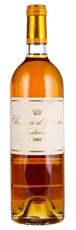
1990 Château d'Yquem

Light label condition issue

Removed from a subterranean, temperature and humidity controlled residential cellar; Purchased at auction; Consignor is second owner

3 available
Bid *
Ends Sunday, 7pm Pacific
Have a 1990 Château d'Yquem to sell?
Get a Free Estimate

RATINGS

98The Wine Advocate

...opens with unabashed opulence, giving expressive notes of dried apricots, toffee, candied walnut, tree bark and sandalwood with nuances of preserved mandarin peel, lemongrass and fallen leaves. The palate is entering that stage where it still has bags of fruit and yet appears quite dry, with a lively line contributing jaw-dropping tension and finishing with epically long-lingering honey nut and earth-inspired notes. Pure. Hedonism.

98Decanter Magazine (points)

This is exuberant, concentrated and luscious. Full of blood orange, nectarine, saffron, touches of carmalised ginger, truffle and crème brûlée. A seesaw of zesty acidity and luscious sweetness...

96Vinous / IWC

...enticing bouquet of wild honey, barley sugar, crème brûlée and figs that billows with aeration...palate is vibrant and poised, weighty with plenty of botrytised fruit...captivating purity of fruit...

95Wine Spectator

Truly superb. Yellow with a gold hue. Intensespice, honey and dried orange peel aromas.Full-bodied, very sweet and very alive. VibrantSauternes that goes on and on on the palate.Doesn't get much better than this.

95.3CellarTracker

94Stephen Tanzer

Full-blown aromas of caramel, toffee, honey, white chocolate and damp earth; slightly Tokaj-like. Hugely concentrated and layered in the mouth; extraordinary sweetness cut by harmonious acidity...

18Jancis Robinson

PRODUCER

Château d'Yquem

Château d’Yquem was the only wine in the Sauternes/Barsac area to receive a First Growth distinction in the original and still highly influential 1855 Bordeaux classification. The region has been famous for many centuries for its sweet white wines, now considered dessert wines, and Château d’Yquem has always been the undisputed king of Sauternes. The estate also makes a dry white Bordeaux called Ygrec “Y,” which receives excellent reviews despite being far less well known than the famous dessert wine made at the estate. Château d’Yquem sits on a small hill and has an ideal terroir and perfect microclimate. According to local lore the 19th century proprietors of Château d’Yquem were the first French winemakers to recognize the value of so-called “noble rot,” which is a benevolent form of botrytis bunch rot, a fungal attack on the vines and grapes. Château d’Yquem includes 254.2 acres of vineyards planted to 80% Semillon and 20% Sauvignon. On average the vines are 30 years old and about 110,000 bottles are produced each year. The distinguished winemaker and estate director Pierre Lurton is President and CEO. Lurton is also Managing Director of Cheval-Blanc.

REGION

France, Bordeaux, Sauternes

Sauternes makes the world’s most famous dessert wines. Though the appellation lies within the Graves region of Bordeaux’s left bank, the appellation makes only sweet wines from white grapes, primarily Semillon sometimes blended with small amounts of Muscadelle. The five communes within Sauternes are Barsac, Bommes, Fargues, Preignac and Sauternes. Barsac also has its own appellation and, typically, Barsac wines are slightly drier and lighter than other Sauternes. Sauternes are made when weather conditions result in a mold called Botrytis cinerea developing on the grapes, which causes them to become especially sweet. Sauternes are not produced every vintage, so successful vintages become especially collectible. Sauternes estates were classified in 1855, and Château d’Yquem, the appellation’s most prestigious estate, was ranked in a class by itself as a Premier Grand Cru. Château d’Yquem wines are among the most prized wines in the world.

VINTAGE

1990 Château d'Yquem