Sign In

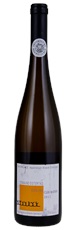
2012 Zind-Humbrecht Gewurztraminer Hunawihr Clos Windsbuhl

Not Currently In Auction

Latest Sale Price

December 24, 2023 - $46

Estimate

RATINGS

93The Wine Advocate

...deep and intense, very mineral but also aromatic bouquet of lemon zests, ripe peaches and limestone flavors. Full-bodied, elegant and powerful, this rich, intense, and persistently mineral and well structured wine develops a great complexity and length...

93-95Vinous / IWC

Pristine aromas of canned pineapple, ripe pear, apple juice and white flowers. Silky and precise in the mouth, with complex, deep tropical fruit and flint framed by harmonious acidity. Finishes with a compelling floral perfume.

93Wine Enthusiast

Intensely perfumed, this rich wine has also kept a fresher side. It's very fruity...with mango and lychee as well as pear and quince...

92Wine Spectator

Honey, smoke and candied orange zest notes provide a rich base for this juicy white, with a silky palate of dried apricot, guava and zesty ground spice flavors. Finely balanced by laserlike acidity, this shows a smoke accent on the mineral-tinged finish.

PRODUCER

Zind-Humbrecht

Domaine Zind-Humbrecht is one of the stars of the Alsace, in the northeastern corner of France. Fought over for decades by Germany and France, the region, according to Robert M. Parker Jr., “is perhaps the most underrated and underutilized source of great white wines in the world.” Zind-Humbrecht was created in 1959 by Leonard Humbrecht and Genevieve Zind. Their son Olivier is now instrumental in running the 99-acre estate, which the family still owns. Like many Alsatian producers, Zind-Humbrecht makes white wines in varying degrees of sweetness, from dessert whites to very dry wines. The vineyards are planted to 30% Riesling, 30% Gewurztraminer, 29% Pinot Gris, and smaller amounts of Pinot Noir, Muscat, Chardonnay, Auxerrois and Pinot Blanc. Up to 18,000 cases are produced annually. Many are Grand Crus and single vineyard bottlings.

REGION

France, Alsace

Alsace in northeastern France is so close to Germany that the wines of Alsace and Germany are often confused. Both are typically sold in distinctive, slim, long-necked bottles, and are made from the same grapes. Alsace has never officially been a part of Germany, though it was occupied by the German military in the late 19th and early 20th centuries. Wine writer Hugh Johnson has noted that despite German influences, Alsace’s “soul is entirely French. Alsace makes Germanic wines in the French way.” In contrast to German wines, Alsace wines generally are very dry, with a higher alcohol content and riper, more scented fruit. Alsace has 33,000 acres of vineyards, many of them in the picturesque foothills of the Vosges Mountains. The grapes of the region are Sylvaner, Muscat, Gewurztraminer, Riesling, Pinot Gris and Pinot Blanc. Pinot Noir is also grown, though it is mainly used for Rosé wines. Alsace’s most admired wines are its Rieslings, which since 1985 may be designated as Grand Crus. Some 50 vineyards in the region have been classified as Grand Crus, and are allowed to use the appellation on their labels. Unlike all other French winemaking regions, Alsace labels are varietal, meaning that a wine made of Riesling, for example, is called Riesling. Official Alsace appellations include Cremant d’Alsace for sparkling wines.

TYPE

White Wine, Gewürztraminer

This grape grows in cooler climates and reaches its finest expression in Alsace, where it is the second most commonly planted variety. It is boldly aromatic and has a distinct bouquet of lychees. The grape be used to make dry, off dry and sweet wines, including ice wine.

VINTAGE

2012 Zind-Humbrecht Gewurztraminer Hunawihr Clos Windsbuhl