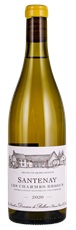
Complex aromas of dried apricot, lemon zest, salted crackers, oyster shell and smoked almonds. It’s medium-bodied with sharp, tangy acidity. Textured with umami character already. Amazing quality for a simple Chablis, suggesting premier-cru quality.
...absolutely gorgeous. The bouquet alone is so inviting, but that is just a prelude, as the 2017 has so much to offer. Orange peel, lemon confit and floral overtones abound, but it is the wine silkiness and grace that impress most.
Chablis is the northernmost region of Burgundy, located just 110 miles southeast of Paris. It is also one of the region’s most historic, and by some measures most under-rated, appellations. In the 19th century Chablis included 100,000 acres of vineyards and supplied Paris with much of its red and white wine. Today Chablis has just 7,000 acres of AOC vineyards, having lost many to the 19th century phylloxera scourge. Chablis is admired by white wine cognoscenti, however, for its Chardonnays, which are notably different from the Chardonnays produced further south. Chardonnay is the only grape grown for the Chablis appellation – there are no red wines. Chablis has seven Grand Cru vineyards and twenty-two Premier Crus. Given its northern location, harvests are not dependable in Chablis. But in good years the wines are generally described as “flinty,” meaning more acidic, steely, austere and mineral tasting than the fuller, fruitier Chardonnays of the Côte d’ Or. In the 20th century, Chablis’ wider recognition as a venerable wine-producing region suffered from the fact that bulk wine producers in California and Australia made unappealing white jug wine blends of various white grapes, rarely including Chardonnay, which they marketed as “Chablis.”
This white variety originated in Burgundy, but is now grown around the world. Its flexibility to thrive in many regions translates to wide flavor profile in the market. Chardonnay is commonly used in making Champagne and sparkling wines.