Sign In

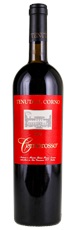
2011 Punica Barrua

Removed from a professional wine storage facility; Purchased at retail

Ends Sunday, 7pm Pacific

RATINGS

93The Wine Advocate

The fruit reaches perfect maturity with luscious ripeness and deep aromatic intensity. At the back are pretty spice, tobacco and dark chocolate tones that build the wine's personality.

93James Suckling

Lots of blueberry, shaved chocolate and cedar character on the nose follows through to a full body with soft and juicy tannins and a long aftertaste of almond, hazelnut and berries.

91Vinous / IWC

The perfumed nose combines aromas of black fruits, vanilla, tar and menthol. Supple and soft on entry, with creamy red and dark fruit flavors complicated by aromatic herb and coffee nuances.

90Wine Spectator

...creamy black olive, espresso, crème de cassis and grilled herb notes in a supple, well-knit frame. Medium-bodied and mouthwatering, with a lingering hint of star anise.

16.5Jancis Robinson

PRODUCER

Punica

Agricola Punica is a 21st century joint venture between one of Tuscany’s most admired producers, Tenuta San Guido, and a leading Sardinian winemaking cooperative, Cantina di Santadi. The estate is in the Sulcis area in the southwestern corner of Sardinia and it has 175 acres of vineyards planted to Carignano, Cabernet Sauvignon, Cabernet Franc, Merlot, Syrah, Vermentino and Chardonnay. Sulcis is renowned for Carignano (Carignan) and the most famous Sardinian appellation is the DOC Carignano del Sulcis. Agricola Punica produces two Carignano-based blends, and a white blend of Vermentino and Chardonnay. The first wines were produced in 2002 and were made by Giocomo Tachis, an influential winemaker known as the man who invented Super Tuscan-style wines by growing Cabernet Sauvignon and other Bordeaux grapes in Tuscany, then blending them with Tuscan varietals. Gambero Rosso has awarded several 3 glass awards, its highest, to the Agricola Punica’s wines.

REGION

Italy, Sardinia, Isola dei Nuraghi

Sardinia is Italy’s other big island. Though not as large as its southern neighbor Sicily, Sardinia has 107,000 acres of vineyards, making it Italy’s eighth largest wine producing region in vineyard acres, and the twelfth largest in quantity of wine produced. Nearly 13% of the wine produced carries a DOC label. Sardinia’s history as a rugged, remote, sparsely populated island meant that until recently most wine was made by farmers who drank it themselves or sold it to friends and local businesses. Owners of larger vineyards exported grape juice to be turned into bulk wines in Italy and France. But, as in Sicily, entrepreneurial vineyards owners in recent decades have improved their winemaking and marketed their own estate wines. Italy’s Gambero Rosso wine review notes that the “Sardinian wine horizon continues to expand (and) average quality is now high…” Because the Spanish Aragon dynasty controlled Sardinia for nearly 400 years, Spanish winemaking and Spanish grapes have been influential in Sardinia. Vermentino, thought to be a native Spanish grape, is the most widely planted white grape. Also planted are Malvasia and Vernaccia. The most commonly planted red grape is Cannonau, also called Grenache. Other red grapes of the island are Monica, Carignano (Carignan), and French varietals.

VINTAGE

2011 Punica Barrua