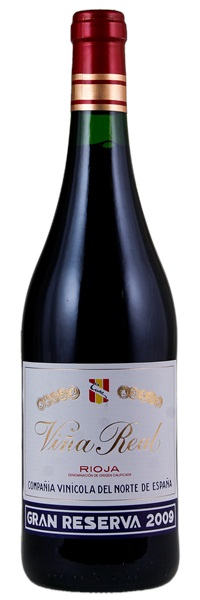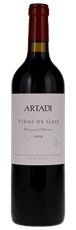
Deeply pitched cherry-vanilla, blackcurrant, dried rose and smoky Indian spices on the nose. Sappy, sweet and broad in the mouth, offering juicy red and dark berry flavors with suggestions of floral pastilles and mocha... Finishes very long and sappy, with repeating cherry and spice character and smooth, slow-building tannins that come on late.
Smoky and earthy notes give this firm red an austere character, but cherry, licorice and tobacco flavors shine through the firm tannins and lead to a juicy, floral finish. Shows balance and depth.
CUNE is the English translation of CVNE, which in Spanish is the abbreviation for Compania Vinicola del Norte de Espana, one of Spain’s most renowned wine producers. Founded in the late 19th century by the brothers Eusebio and Raimundo de Asua, the Rioja estate is still run by descendants of the founders. CUNE produces white, rose, crianza and reserve wines. CUNE also produces a label called Imperial which is devoted solely to producing Reserva and Gran Riserva wines only in exceptional vintages.
Rioja Demoninación de Origine Calificada is Spain’s most important wine region. Located in northern Spain, it comprises 135,000 vineyard acres and was the first official appellation in Spain, earning its official DO status in 1926. In 1991 it became Spain’s first DOCa, Spain’s most prestigious appellation category. The DOCa is divided into three subzones: La Rioja Alavesa in the northeast; La Rioja Alta in the southwest; and La Rioja Baja in the east. About 75 percent of Rioja wines are reds, with Tempranillo the predominant grape. Garnacha (Grenache), Mazuelo (Carignan) and Graciano, a spicy, high-acidity red grape, are also allowed. White wines are made from Macabeo, Garnacha Blanca and Malvasia. Wines were made in this region well before the Romans arrived, though the Romans then the medieval monks refined vineyard management and wine production. In the 19th century French families migrated to Rioja after phylloxera wiped out their vineyards, and the French helped establish the tradition of wine blends, still part of Rioja winemaking. According to the rules for the appellation, a wine labelled a simple Rioja can spend less than a year in an oak aging barrel. A Criziana is aged for at least two years, one in oak. Rioja Reserva is aged at least three years, with at least one in oak. A Rioja Gran Reserva must be aged at least five years, with two years in oak.