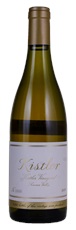
...a refined bouquet with chalky hints and touches of dried pineapple. The palate is well-balanced with a fine line of acidity. This is a suave, spicy Meursault...
A pretty and notably ripe nose features notes of both white and yellow orchard fruit, acacia blossom and roasted hazelnut scents. The rich, round seductively textured medium-bodied flavors...
Michel Lafarge dates its history in the commune of Volnay, in Burgundy’s Cote de Beaune, to the 19th century. The domaine owns or leases 28.75 acres of premier cru and villages vineyards including premier cru parcels in Les Caillerets, Clos des Chenes, Clos du Chateau des Ducs (a monopole), and Les Mitans. The estate frequently produces 16 cuvees from their vineyards, and all are much admired. Clive Coates has written the Michel Lafarge and his son Frederic “produce some of the most delicious wines in the village, all the way from a splendid Bourgogne rouge to the yardstick Clos des Chenes.”
Meursault is one of the trio of famous Chardonnay producing appellations in the Côte d’Or. Although both red and white wines are allowed to be produced in the Meursault appellation, 98% of Meursault is Chardonnay. With a total of 2,500 acres of vineyards, there are no Grands Crus but 325 acres of Premiers Crus, which are divided into 13 main vineyards. As wine writers have often noted, Meursault’s fame is based on its Premiers Crus, including the prestigious Les Perrières, Les Genevrières and Les Charmes. Because the water table is low in Meursault, many producers have cellars here, including Comte Lafon and Jean-Francois Coche-Dury. Robert M. Parker Jr. wrote “the Premiers Crus, as well as the finest Villages Meursaults from the top vineyards, are among the easiest drinking white burgundies in the world. Why? High-quality Meursault is opulent, almost unctuous, with a fatness and a juicy, succulent, buttery, hazelnut and apple, peach-like fruitiness that often roars from the glass.”
This white variety originated in Burgundy, but is now grown around the world. Its flexibility to thrive in many regions translates to wide flavor profile in the market. Chardonnay is commonly used in making Champagne and sparkling wines.