Sign In

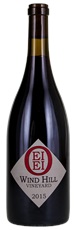
2013 EIEIO Saffron Fields Pinot Noir

Minimum Bid is $36
Ends Sunday, 7pm Pacific

ITEM 10629052 - Removed from a professional wine storage facility; Purchased at retail

Bidder Amount Total
chbur2 $35 $35
$35
2013 EIEIO Saffron Fields Pinot Noir

RATINGS

92Vinous / IWC

Highly perfumed raspberry, boysenberry, Asian spice and lavender aromas are complemented by hints of allspice and woodsmoke. Silky in texture and gently sweet; juicy acidity lifts the red and dark berry and rose pastille flavors. Nicely concentrated yet nervy. Finishes very long, offering smooth tannins and lingering floral character.

90The Wine Advocate

...pastille element to the aromatics: blackcurrant pastille and strawberry to nail the fruit...palate is medium-bodied with supple ripe tannin, fine cohesion, supple and forward with tart red cherry, balsamic and a pinch of white pepper towards the smooth finish.

REGION

United States, Oregon, Willamette Valley

Willamette Valley AVA was established in 1983, and it is the oldest appellation in Oregon. Oregon’s modern wine industry began in the Willamette Valley in the 1960s when artists, vagabond winemakers, and U.C. Davis oenology graduates looking for new territory started their own, small, off-the-grid wineries. The appellation is the state’s largest, and it extends 175 miles from Columbia River on the Washington/Oregon border to just south of Eugene, near central Oregon. The Willamette River runs through the area, helping to give the appellation a mild year-round climate. There are six smaller sub-appellations within this AVA, but altogether the Willamette Valley has the largest concentration of wineries in Oregon, as well as the majority of the state’s most famous producers. Pinot Noir is king here, followed by Chardonnay, Pinot Gris and Riesling. To most admirers of Oregon Pinot Noir, Willamette Valley offers the most distinctive wine choices in the state.

TYPE

Red Wine, Pinot Noir

This red wine is relatively light and can pair with a wide variety of foods. The grape prefers cooler climates and the wine is most often associated with Burgundy, Champagne and the U.S. west coast. Regional differences make it nearly as fickle as it is flexible.