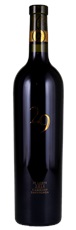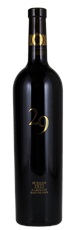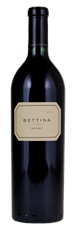
...wonderfully complex nose chock full of smoked meat, yeast extract, toast, sautéed herbs and savory notes over a crème de cassis and blackberry tart core with hints of violets, damp loam and black truffles.
Superripe, chocolatey and dense, conveying a youthfully medicinal quality to its black cherry and licorice flavors; aeration brought a subtle note of sesame paste. Finishes with huge, chewy tannins that dust the tongue and teeth.
Vineyard 29 was founded in 1989 in St. Helena. Since 2000 it has been owned by Chuck McMinn, a technology entrepreneur, and his wife Anne. The estate owns nearly 13 acres of vineyards and makes Cabernet Sauvignon, Sauvignon Blanc, Cabernet Franc, Zinfandel, Pinot Noir and a dessert wine.
Napa Valley AVA is the most famous winemaking region in the United States and one of the most prestigious in the world. With nearly 43,000 acres of vineyards and more than 300 wineries, it is the heart of fine wine production in the United States. Winemaking started in Napa in 1838 when George C. Yount planted grapes and began producing wine commercially. Other winemaking pioneers followed in the late 19th century, including the founders of Charles Krug, Schramsberg, Inglenook and Beaulieu Vineyards. An infestation of phylloxera, an insect that attacks vine roots, and the onset of Prohibition nearly wiped out the nascent Napa wine industry in the early 20th century. But by the late 1950s and early 1960s Robert Mondavi and other visionaries were producing quality wines easily distinguishable from the mass-produced jug wines made in California’s Central Valley. Napa Valley’s AVA was established in 1983, and today there are 16 sub-appellations within the Napa Valley AVA. Many grapes grow well in Napa’s Mediterranean climate, but the region is best known for Cabernet Sauvignon. Chardonnay is also very successfully cultivated, and about 30% of the AVA’s acreage is planted to white grapes, with the majority of those grapes being Chardonnay,