Sign In

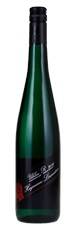
2016 Immich-Batterieberg Escheburg Riesling #2

Light label condition issue

Minimum Bid is $27
Ends Sunday, 7pm Pacific

ITEM 10627552 - Removed from a professional wine storage facility; Purchased at retail

Bidder Amount Total
alial1 $26 $26
Bmccall77 $25 $0
$25
2016 Immich-Batterieberg Escheburg Riesling #2

RATINGS

93James Suckling

...ripe apricot aromas, as well as the combination of a sleek body and serious concentration. The herbal and mineral finish is long and complex.

92The Wine Advocate

Full-bodied, creamy and complex on the palate, this a salty, piquant and well-structured dry Riesling... The wine reveals a beautiful juiciness and elegance but also purity, salinity and mineral freshness. Impressive.

92Wine Spectator

Ethereal, with a lemon-lime flavor accenting the pear, peach and mineral notes in this coherent, well-crafted dry Riesling. A vibrant structure adds to the harmony of the fruit and mineral elements.

91Vinous / IWC

Mouthwatering mineral salts, crushed stone suffusion and piquancy of peach kernel lend interest to a gripping finish that preserves more than enough juicy lime and grapefruit to insure consummate refreshment.

REGION

Germany, Mosel-Saar-Ruwer

Mosel-Saar-Ruwer is Germany’s most prestigious wine region and it is comprised of the vineyards surrounding the Mosel River and its tributaries, the Saar and Ruwer. This region is the northernmost of Germany’s primary viticultural areas, located on the western edge of Germany just above the northeast corner of France. Internationally Mosel Rieslings are considered among the finest white wines in the world. In Germany and elsewhere, the region’s name is often shortened simply to Mosel, and in fact since 2007 Mosel has been the formal name of the region for viticultural purposes. The references to Saar and Ruwer were dropped for ease of marketing. The distinctively crisp, mineral tasting, acidic Rieslings produced in Mosel are attributed partly to the region’s slate soils and extremely vertiginous vineyards. Many vineyards are on 60 to 80 percent cent inclines along the three rivers. Riesling grapes represent more than half of all the grapes grown in Mosel, followed by Muller-Thurgau, a white wine grape related to Riesling, and Elbling, an indigenous white wine grape often used for sparkling wines.

TYPE

White Wine, Riesling

This white variety originated in Germany. It’s known for its strong flowery aromas and high acidity. Please note Rieslings can have dramatic differences as the grape can be used to make dry, semi-sweet, sweet and sparkling wines.