Sign In

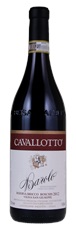
2012 Cavallotto Barolo Riserva Bricco Boschis Vigna San Giuseppe

Light label condition issue

Minimum Bid is $125
Ends Sunday, 7pm Pacific

ITEM 10620535 - Removed from protected passive storage in a temperature controlled home; Purchased at retail

Bidder Amount Total
$125
Item Sold Amount Date
I10487685 1 $125 Nov 9, 2025
2012 Cavallotto Barolo Riserva Bricco Boschis Vigna San Giuseppe

RATINGS

97Wine Spectator

This is full of sweet, ripe plum, cherry, leather, soy and tobacco aromas and flavors, with smoky notes of autumn woods...long, detailed finish. Evokes both strength and elegance.

96Wine Enthusiast

Enticingly fragrant...opens with classic Nebbiolo aromas of woodland berry, wild rose, forest floor, pipe tobacco, dark spice and a balsamic whiff of menthol. Reflecting the nose, the delicious, structured palate delivers dried cherry, raspberry compote, truffle, star anise and a note of crushed mint. Firm but noble tannins...

95The Wine Advocate

The bouquet shows a highly refined and focused quality with extreme varietal precision... Savory spice and smoke make for an elegant twist on the finish.

94Vinous / IWC

Rose petal, mint, dried flowers and sweet red cherry fruit give the 2012 considerable brightness and floral lift... Medium in body, with tons of supporting structure and energy...impresses with its persistence, balance and classiness.

17.5+ Jancis Robinson

Brooding, intense and serious with a layer of sweet cherry and hints of iron. Succulent yet powerfully structured by finely built tannins. Ripe acidity and gripping fruit on the finish.

PRODUCER

Cavallotto

Cavallotto is a 64-acre estate in Bricco Boschis in the heart of the Barolo region in Piedmont. The estate’s roots go to the early 20th century, when Giuseppe Cavallotto ran the vineyards for the region’s most prominent landowner, the countess Juliette Colbert. Cavallotto managed to buy property and in 1948 his sons started making wine under their own family label. Today the fourth and fifth generations of the family run the estate. Cavallotto produces about 100,000 bottles annually and is known for its Barolos. Gambero Rosso has written that Cavallotto’s “Barolo selections are among the best in the designation.” The estate also produces Barbera, Nebbiolo, Dolcetto and several white wines.

REGION

Italy, Piedmont, Barolo

Barolo is one of Italy’s greatest wine appellations. In fact many cognoscenti of Italian wines consider Barolo to be the apex of Italian winemaking. Barolo is sometimes referred to as “the king of wines, and the wine of kings” partly because until the mid-19th century Piedmont was owned by the noble House of Savoy, the historic rulers of northwestern Italy. And the Savoys had a taste for Nebbiolo. Nestled into the rolling hills of Langhe, the Barolo DOCG includes 11 communes, one of which is the town of Barolo. There are 4,200 vineyard acres in the appellation and since the late 19th century growers have tried to identify their best vineyards. By marketing some vineyards as better quality than others, Barolo producers have followed the Burgundian custom of making single vineyard, or “cru” vineyard bottlings. As in neighboring Barbaresco, the Barolo DOCG requires that wines be 100% Nebbiolo, a grape thought of as the Pinot Noir of Italy. Records show that Nebbiolo was grown in the Piedmont as early as the 14th century, and despite being somewhat finicky – it is late to ripen and easily damaged by adverse weather --- Nebbiolo makes highly aromatic and powerful red wines. Until the mid-19th century Nebbiolos of Piedmont were vinified as sweet wines, though that ended in the late 19th century when a French oenologist was invited to Piedmont to show producers how to make dry reds. Barolo was made a DOC in 1966 and upgraded to DOCG status in 1980. Barolos must be aged at least three years, at least two of those years in wood. Barolos are tannic and robust and generally need at least five years to soften into complex, earthy wines.

TYPE

Red Wine, Nebbiolo, D.O.C.G.

This red grape is most often associated with Piedmont, where it becomes DOCG Barolo and Barbaresco, among others. Its name comes from Italian for “fog,” which descends over the region at harvest. The fruit also gains a foggy white veil when mature.