Sign In

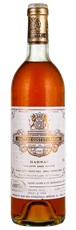
1986 Château Climens

Lightly depressed cork; very top shoulder fill; label condition issue

Minimum Bid is $100
Ends Sunday, 7pm Pacific

ITEM 10600455 - Removed from a professional wine storage facility

Bidder Amount Total
$100
Item Sold Amount Date
I10447470 1 $100 Oct 19, 2025
I10409820 1 $100 Oct 5, 2025
I10405148 1 $100 Sep 28, 2025
I10363455 1 $105 Sep 7, 2025
I10347057 1 $105 Aug 31, 2025
I10264068 1 $115 Jul 27, 2025
1986 Château Climens

RATINGS

96Robert M. Parker Jr.

...There is as much botrytis in the 1986 as in the 1988. Despite the intensity and extract levels, this sweet wine comes across as crisp and relatively light. The 1986 is a stunning example of Climens at its very best...

94Wine Spectator

Gorgeous, ripe, and rich, oozing with tropical, honey and mineral flavors that take off like a heat-seeking missile on the finish...

18Jancis Robinson

Big and creamy and luscious. Together and surely at its peak. Attractive vivacity.

PRODUCER

Château Climens

Château Climens makes one of France’s most admired sweet white dessert wines. Located in Barsac, the 74-acre estate is noted for its extraordinary terroir on the highest plateau in the region. Château Climens makes Sauternes that consistently win rave reviews and it is a First Growth of the Sauternes-Barsac. Robert M. Parker Jr. has written that Château Climens “produces the region’s most compellingly elegant wine.” Though the château has been making wines for several centuries, since 1971 it has been owned by the Lurton family, which also owns numerous other estates in Bordeaux. Unlike some producers of Sauternes who use a blend of several white grapes, Climens is made from 100% Semillon. The estate’s high location means it gets a mix of moist and sunny weather making ideal conditions for Botrytis Cinerea, or so-called noble rot, the fungus that causes ripe grapes to sweeten enough to be used for Sauternes. About 25,000 bottles are produced annually.

REGION

France, Bordeaux, Sauternes, Barsac

Sauternes makes the world’s most famous dessert wines. Though the appellation lies within the Graves region of Bordeaux’s left bank, the appellation makes only sweet wines from white grapes, primarily Semillon sometimes blended with small amounts of Muscadelle. The five communes within Sauternes are Barsac, Bommes, Fargues, Preignac and Sauternes. Barsac also has its own appellation and, typically, Barsac wines are slightly drier and lighter than other Sauternes. Sauternes are made when weather conditions result in a mold called Botrytis cinerea developing on the grapes, which causes them to become especially sweet. Sauternes are not produced every vintage, so successful vintages become especially collectible. Sauternes estates were classified in 1855, and Château d’Yquem, the appellation’s most prestigious estate, was ranked in a class by itself as a Premier Grand Cru. Château d’Yquem wines are among the most prized wines in the world.