Sign In

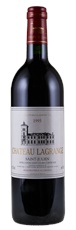
1989 Château LaGrange

Light label condition issue

Minimum Bid is $110
Ends Sunday, 7pm Pacific

ITEM 10590404 - Removed from a temperature and humidity controlled wine storage unit

Bidder Amount Total
maled8 $100 $100
$100
Item Sold Amount Date
I10459021 1 $90 Oct 26, 2025
I10419440 1 $95 Oct 5, 2025
I10393494 6 $96 Sep 28, 2025
I10393466 1 $95 Sep 28, 2025
1989 Château LaGrange

RATINGS

94Wine Spectator

A youthful and tannic St.-Julien. Medium-dark ruby color. Fresh berry and cherry aromas, very perfumed. Full-bodied, with chewy tannins and a medium berry, chocolate and roasted coffee aftertaste.

90Robert M. Parker Jr.

Is a smoky, tar, cassis, roasted herb, jammy style of wine, with a dense purple color, sweet tannin, and low acidity. The bouquet has not changed since I tasted it several years ago. The wine is soft and fat, but not flabby.

#19 of 1992Wine Spectator Top 100

PRODUCER

Château LaGrange

Château Lagrange is in the St.-Julien appellation and is a Third Growth Bordeaux according to the Bordeaux classification of 1855. The estate traces its roots to the Middle Ages. After several changes of ownership in the 20th century Lagrange is today owned by Suntory, the Japanese conglomerate. There are 284 acres of vineyards planted to 65% Cabernet Sauvignon with remaining acreage planted to Merlot and Petit Verdot. Some 300,000 bottles are produced annually. Bruno Eynard is general manager and winemaker. Though the estate’s reputation suffered in the middle of the 20th century, recent decades have seen vast improvements. Robert M. Parker noted in 2003 that Lagrange “improved spectacularly after its acquisition by Japan’s Suntory.”

REGION

France, Bordeaux, St.-Julien

Saint-Julien is the smallest of the four main Médoc appellations with 2,175 acres of vineyards. It is just south of Pauillac on the left bank of the Gironde, and although it has no First Growth châteaux, its 11 Classified Growth estates are widely admired. Robert M. Parker Jr. has written that winemaking in Saint-Julien from all classifications “is consistently both distinctive and brilliant.” He adds it is Médoc’s “most underrated commune.” The best-known estates are Léoville Las Cases, Ducru-Beaucaillou, Léoville Poyferré, Léoville Barton and Gruaud Larose, and most of those have riverside estates. The soil in this appellation is gravelly with clay. Cabernet Sauvignon is the main grape grown, and it is blended with Cabernet Franc, Merlot and sometimes small amounts of Petit Verdot.