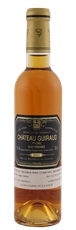
Château Filhot is a second growth in the Sauternes appellation. Though its vineyards date from the 17th century, it did not get its name until the early 18th century when Romain de Filhot bought it. It went through several ownerships over the centuries and is today owned by Vaucelles family. The 150-acre estate makes a wine that is drier than that made by its famous neighbor Chateau d’Yquem. Chateau Filhot is typically about 60% Semillon, 36% Sauvignon Blanc and 4% Muscadelle.
Sauternes makes the world’s most famous dessert wines. Though the appellation lies within the Graves region of Bordeaux’s left bank, the appellation makes only sweet wines from white grapes, primarily Semillon sometimes blended with small amounts of Muscadelle. The five communes within Sauternes are Barsac, Bommes, Fargues, Preignac and Sauternes. Barsac also has its own appellation and, typically, Barsac wines are slightly drier and lighter than other Sauternes. Sauternes are made when weather conditions result in a mold called Botrytis cinerea developing on the grapes, which causes them to become especially sweet. Sauternes are not produced every vintage, so successful vintages become especially collectible. Sauternes estates were classified in 1855, and Château d’Yquem, the appellation’s most prestigious estate, was ranked in a class by itself as a Premier Grand Cru. Château d’Yquem wines are among the most prized wines in the world.
Château Filhot is a second growth in the Sauternes appellation. Though its vineyards date from the 17th century, it did not get its name until the early 18th century when Romain de Filhot bought it. It went through several ownerships over the centuries and is today owned by Vaucelles family. The 150-acre estate makes a wine that is drier than that made by its famous neighbor Chateau d’Yquem. Chateau Filhot is typically about 60% Semillon, 36% Sauvignon Blanc and 4% Muscadelle.
Sauternes makes the world’s most famous dessert wines. Though the appellation lies within the Graves region of Bordeaux’s left bank, the appellation makes only sweet wines from white grapes, primarily Semillon sometimes blended with small amounts of Muscadelle. The five communes within Sauternes are Barsac, Bommes, Fargues, Preignac and Sauternes. Barsac also has its own appellation and, typically, Barsac wines are slightly drier and lighter than other Sauternes. Sauternes are made when weather conditions result in a mold called Botrytis cinerea developing on the grapes, which causes them to become especially sweet. Sauternes are not produced every vintage, so successful vintages become especially collectible. Sauternes estates were classified in 1855, and Château d’Yquem, the appellation’s most prestigious estate, was ranked in a class by itself as a Premier Grand Cru. Château d’Yquem wines are among the most prized wines in the world.
Château Filhot is a second growth in the Sauternes appellation. Though its vineyards date from the 17th century, it did not get its name until the early 18th century when Romain de Filhot bought it. It went through several ownerships over the centuries and is today owned by Vaucelles family. The 150-acre estate makes a wine that is drier than that made by its famous neighbor Chateau d’Yquem. Chateau Filhot is typically about 60% Semillon, 36% Sauvignon Blanc and 4% Muscadelle.
Sauternes makes the world’s most famous dessert wines. Though the appellation lies within the Graves region of Bordeaux’s left bank, the appellation makes only sweet wines from white grapes, primarily Semillon sometimes blended with small amounts of Muscadelle. The five communes within Sauternes are Barsac, Bommes, Fargues, Preignac and Sauternes. Barsac also has its own appellation and, typically, Barsac wines are slightly drier and lighter than other Sauternes. Sauternes are made when weather conditions result in a mold called Botrytis cinerea developing on the grapes, which causes them to become especially sweet. Sauternes are not produced every vintage, so successful vintages become especially collectible. Sauternes estates were classified in 1855, and Château d’Yquem, the appellation’s most prestigious estate, was ranked in a class by itself as a Premier Grand Cru. Château d’Yquem wines are among the most prized wines in the world.
Château Filhot is a second growth in the Sauternes appellation. Though its vineyards date from the 17th century, it did not get its name until the early 18th century when Romain de Filhot bought it. It went through several ownerships over the centuries and is today owned by Vaucelles family. The 150-acre estate makes a wine that is drier than that made by its famous neighbor Chateau d’Yquem. Chateau Filhot is typically about 60% Semillon, 36% Sauvignon Blanc and 4% Muscadelle.
Sauternes makes the world’s most famous dessert wines. Though the appellation lies within the Graves region of Bordeaux’s left bank, the appellation makes only sweet wines from white grapes, primarily Semillon sometimes blended with small amounts of Muscadelle. The five communes within Sauternes are Barsac, Bommes, Fargues, Preignac and Sauternes. Barsac also has its own appellation and, typically, Barsac wines are slightly drier and lighter than other Sauternes. Sauternes are made when weather conditions result in a mold called Botrytis cinerea developing on the grapes, which causes them to become especially sweet. Sauternes are not produced every vintage, so successful vintages become especially collectible. Sauternes estates were classified in 1855, and Château d’Yquem, the appellation’s most prestigious estate, was ranked in a class by itself as a Premier Grand Cru. Château d’Yquem wines are among the most prized wines in the world.
Château Filhot is a second growth in the Sauternes appellation. Though its vineyards date from the 17th century, it did not get its name until the early 18th century when Romain de Filhot bought it. It went through several ownerships over the centuries and is today owned by Vaucelles family. The 150-acre estate makes a wine that is drier than that made by its famous neighbor Chateau d’Yquem. Chateau Filhot is typically about 60% Semillon, 36% Sauvignon Blanc and 4% Muscadelle.
Sauternes makes the world’s most famous dessert wines. Though the appellation lies within the Graves region of Bordeaux’s left bank, the appellation makes only sweet wines from white grapes, primarily Semillon sometimes blended with small amounts of Muscadelle. The five communes within Sauternes are Barsac, Bommes, Fargues, Preignac and Sauternes. Barsac also has its own appellation and, typically, Barsac wines are slightly drier and lighter than other Sauternes. Sauternes are made when weather conditions result in a mold called Botrytis cinerea developing on the grapes, which causes them to become especially sweet. Sauternes are not produced every vintage, so successful vintages become especially collectible. Sauternes estates were classified in 1855, and Château d’Yquem, the appellation’s most prestigious estate, was ranked in a class by itself as a Premier Grand Cru. Château d’Yquem wines are among the most prized wines in the world.
Château Filhot is a second growth in the Sauternes appellation. Though its vineyards date from the 17th century, it did not get its name until the early 18th century when Romain de Filhot bought it. It went through several ownerships over the centuries and is today owned by Vaucelles family. The 150-acre estate makes a wine that is drier than that made by its famous neighbor Chateau d’Yquem. Chateau Filhot is typically about 60% Semillon, 36% Sauvignon Blanc and 4% Muscadelle.
Sauternes makes the world’s most famous dessert wines. Though the appellation lies within the Graves region of Bordeaux’s left bank, the appellation makes only sweet wines from white grapes, primarily Semillon sometimes blended with small amounts of Muscadelle. The five communes within Sauternes are Barsac, Bommes, Fargues, Preignac and Sauternes. Barsac also has its own appellation and, typically, Barsac wines are slightly drier and lighter than other Sauternes. Sauternes are made when weather conditions result in a mold called Botrytis cinerea developing on the grapes, which causes them to become especially sweet. Sauternes are not produced every vintage, so successful vintages become especially collectible. Sauternes estates were classified in 1855, and Château d’Yquem, the appellation’s most prestigious estate, was ranked in a class by itself as a Premier Grand Cru. Château d’Yquem wines are among the most prized wines in the world.
Château Filhot is a second growth in the Sauternes appellation. Though its vineyards date from the 17th century, it did not get its name until the early 18th century when Romain de Filhot bought it. It went through several ownerships over the centuries and is today owned by Vaucelles family. The 150-acre estate makes a wine that is drier than that made by its famous neighbor Chateau d’Yquem. Chateau Filhot is typically about 60% Semillon, 36% Sauvignon Blanc and 4% Muscadelle.
Sauternes makes the world’s most famous dessert wines. Though the appellation lies within the Graves region of Bordeaux’s left bank, the appellation makes only sweet wines from white grapes, primarily Semillon sometimes blended with small amounts of Muscadelle. The five communes within Sauternes are Barsac, Bommes, Fargues, Preignac and Sauternes. Barsac also has its own appellation and, typically, Barsac wines are slightly drier and lighter than other Sauternes. Sauternes are made when weather conditions result in a mold called Botrytis cinerea developing on the grapes, which causes them to become especially sweet. Sauternes are not produced every vintage, so successful vintages become especially collectible. Sauternes estates were classified in 1855, and Château d’Yquem, the appellation’s most prestigious estate, was ranked in a class by itself as a Premier Grand Cru. Château d’Yquem wines are among the most prized wines in the world.
Château Filhot is a second growth in the Sauternes appellation. Though its vineyards date from the 17th century, it did not get its name until the early 18th century when Romain de Filhot bought it. It went through several ownerships over the centuries and is today owned by Vaucelles family. The 150-acre estate makes a wine that is drier than that made by its famous neighbor Chateau d’Yquem. Chateau Filhot is typically about 60% Semillon, 36% Sauvignon Blanc and 4% Muscadelle.
Sauternes makes the world’s most famous dessert wines. Though the appellation lies within the Graves region of Bordeaux’s left bank, the appellation makes only sweet wines from white grapes, primarily Semillon sometimes blended with small amounts of Muscadelle. The five communes within Sauternes are Barsac, Bommes, Fargues, Preignac and Sauternes. Barsac also has its own appellation and, typically, Barsac wines are slightly drier and lighter than other Sauternes. Sauternes are made when weather conditions result in a mold called Botrytis cinerea developing on the grapes, which causes them to become especially sweet. Sauternes are not produced every vintage, so successful vintages become especially collectible. Sauternes estates were classified in 1855, and Château d’Yquem, the appellation’s most prestigious estate, was ranked in a class by itself as a Premier Grand Cru. Château d’Yquem wines are among the most prized wines in the world.
Château Filhot is a second growth in the Sauternes appellation. Though its vineyards date from the 17th century, it did not get its name until the early 18th century when Romain de Filhot bought it. It went through several ownerships over the centuries and is today owned by Vaucelles family. The 150-acre estate makes a wine that is drier than that made by its famous neighbor Chateau d’Yquem. Chateau Filhot is typically about 60% Semillon, 36% Sauvignon Blanc and 4% Muscadelle.
Sauternes makes the world’s most famous dessert wines. Though the appellation lies within the Graves region of Bordeaux’s left bank, the appellation makes only sweet wines from white grapes, primarily Semillon sometimes blended with small amounts of Muscadelle. The five communes within Sauternes are Barsac, Bommes, Fargues, Preignac and Sauternes. Barsac also has its own appellation and, typically, Barsac wines are slightly drier and lighter than other Sauternes. Sauternes are made when weather conditions result in a mold called Botrytis cinerea developing on the grapes, which causes them to become especially sweet. Sauternes are not produced every vintage, so successful vintages become especially collectible. Sauternes estates were classified in 1855, and Château d’Yquem, the appellation’s most prestigious estate, was ranked in a class by itself as a Premier Grand Cru. Château d’Yquem wines are among the most prized wines in the world.



 Preferred storage and shipping partner of
 Share
Share
 Post
Post
 Tweet
Tweet
 Copy Link



 <
<
 >
> 1 bottle Per Lot
 service@winebid.com
 (888) 638-8968