
Current users
Sign In
New users
Join Today
Removed from a professional wine storage facility; Purchased as futures; Consignor is original owner

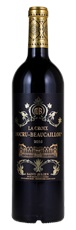
Image above is an example. To view the image of the lot, click the item number.
Estimate
Exhibiting aromas of inky cassis, plums, incense, wood smoke and spices, it’s medium to full-bodied, fleshy and concentrated, with lively acids, beautifully powdery tannins and a supple...
Cassis, smoked black cherries, tobacco, gravelly earth, and spice are just some of the nuances, and it's medium to full-bodied, with a rich, dense mid-palate, serious, almost chewy tannins, and a great finish.
Shows steeped plum, boysenberry and blackberry notes that form the core, with enough depth to absorb the apple wood and mesquite notes that line it, while a taut iron note drives the finish.
So much gravel and dark-fruit character with raspberries and blackcurrants, as well as currant leaf. It’s medium-to full-bodied with very fine, rounded tannins and a bright finish.
...dark berry fruit, cedar, touches of sage and crushed iris petals...palate is medium-bodied with fine, quite pliant tannins. Gentle grip, but there is certainly structure evident here with quite a tannic finish.
This is the second label to Chateau Leoville-Las-Cases.
 Preferred storage and shipping partner of
 Share
Share
 Post
Post
 Tweet
Tweet
 Copy Link





 <
<
 >
> service@winebid.com
 (888) 638-8968