Sign In

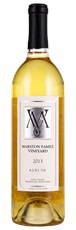
2019 Marston Family Vineyards Albion

Light label condition issue

Minimum Bid is $25
Ends Sunday, 7pm Pacific

ITEM 10570424 - Removed from a temperature and humidity controlled wine storage unit; Purchased at retail

Bidder Amount Total
$25
2019 Marston Family Vineyards Albion

RATINGS

92James Suckling

Dried apple, grilled pear, lemon zest and wet stones on the nose. Guava and nettles, too. It’s medium-to full-bodied with an oily, phenolic texture and bright, tangy acidity. Flavorful finish.

91The Wine Advocate

...vibrant lemon curd, fresh grapefruit and green mango scents with hints of lime leaves, wild thyme and wet pebbles. Medium-bodied, the palate is crisp, clean and seriously zippy, delivering intense citrus flavors and a mineral kick to the finish.

91Jeb Dunnuck

...surprisingly bright and racy with tart grapefruit, mint, and a kiss of minerality in a more medium-bodied, fresh, crisp style.

PRODUCER

Marston Family Vineyards

Marston Family Vineyards has been a grape-growing venture since the late 19th century and was owned by various families until 1969, when Michael and Elizabeth Marston bought a portion of the estate. In 1976 the Marstons bought out their partners and focused on growing grapes for some of the region’s top producers, primarily Beringer. In 1998 the family decided to start their own label, and the debut vintage was crafted by Philippe Melka. Melka made wines for the estate until 2010, when Marbue Marke joined the estate as winemaker. The Marston’s children and their families help run the estate today. Marston produces Cabernet Sauvignon and Petite Sirah. Robert Parker Jr. has rated the wines in the 90s.

REGION

United States, California, Napa Valley

Napa Valley AVA is the most famous winemaking region in the United States and one of the most prestigious in the world. With nearly 43,000 acres of vineyards and more than 300 wineries, it is the heart of fine wine production in the United States. Winemaking started in Napa in 1838 when George C. Yount planted grapes and began producing wine commercially. Other winemaking pioneers followed in the late 19th century, including the founders of Charles Krug, Schramsberg, Inglenook and Beaulieu Vineyards. An infestation of phylloxera, an insect that attacks vine roots, and the onset of Prohibition nearly wiped out the nascent Napa wine industry in the early 20th century. But by the late 1950s and early 1960s Robert Mondavi and other visionaries were producing quality wines easily distinguishable from the mass-produced jug wines made in California’s Central Valley. Napa Valley’s AVA was established in 1983, and today there are 16 sub-appellations within the Napa Valley AVA. Many grapes grow well in Napa’s Mediterranean climate, but the region is best known for Cabernet Sauvignon. Chardonnay is also very successfully cultivated, and about 30% of the AVA’s acreage is planted to white grapes, with the majority of those grapes being Chardonnay,