Sign In

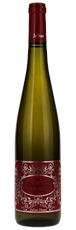
2018 Julian Haart Wintricher Ohligsberg Riesling Spätlese #9

Minimum Bid is $90
Ends Sunday, 7pm Pacific

ITEM 10567445 - Removed from a professional wine storage facility; Purchased at retail; Consignor is original owner

Bidder Amount Total
$90
2018 Julian Haart Wintricher Ohligsberg Riesling Spätlese #9

RATINGS

95James Suckling

Beautiful interplay here between quince and loquat and more citrus-focussed nuances, ranging from bright herbs to lemons. Lots of apricots and spices on the palate and the mild sweetness only appears at the end, as the acidity is so cut-throat and elegant. Long finish.

93Vinous / IWC

White peach and apple are suffused with bergamot and mint on a soaring nose and a lusciously fruited, cooling palate whose subtly soothing effect belies this wine’s high acidity. Acid influence is positively felt in the animation aroused by a finish of vibrant persistence and, notwithstanding 71 grams of residual sugar, only subtle sweetness.

REGION

Germany, Mosel-Saar-Ruwer

Mosel-Saar-Ruwer is Germany’s most prestigious wine region and it is comprised of the vineyards surrounding the Mosel River and its tributaries, the Saar and Ruwer. This region is the northernmost of Germany’s primary viticultural areas, located on the western edge of Germany just above the northeast corner of France. Internationally Mosel Rieslings are considered among the finest white wines in the world. In Germany and elsewhere, the region’s name is often shortened simply to Mosel, and in fact since 2007 Mosel has been the formal name of the region for viticultural purposes. The references to Saar and Ruwer were dropped for ease of marketing. The distinctively crisp, mineral tasting, acidic Rieslings produced in Mosel are attributed partly to the region’s slate soils and extremely vertiginous vineyards. Many vineyards are on 60 to 80 percent cent inclines along the three rivers. Riesling grapes represent more than half of all the grapes grown in Mosel, followed by Muller-Thurgau, a white wine grape related to Riesling, and Elbling, an indigenous white wine grape often used for sparkling wines.

TYPE

White Wine, Riesling, Spätlese

This white variety originated in Germany. It’s known for its strong flowery aromas and high acidity. Please note Rieslings can have dramatic differences as the grape can be used to make dry, semi-sweet, sweet and sparkling wines.