Sign In

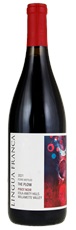
2019 Lingua Franca The Plow Pinot Noir

Minimum Bid is $55
Ends Sunday, 7pm Pacific

ITEM 10551561 - Removed from a temperature and humidity controlled wine cellar; Purchased upon release; Consignor is original owner

Bidder Amount Total
$55
2019 Lingua Franca The Plow Pinot Noir

RATINGS

94Wine Spectator

A wine with presence and detail, boasting an ethereal structure that glides along with notes of raspberry, crushed stone, tea leaf and dusky spice. Builds tension and richness as this finishes with refined tannins.

92James Suckling

Aromas of red and black cherry, baked strawberry and rose water. Medium-to full-bodied with slightly tight tannins. Brooding on the palate, with ground spice and dark fruit. Well structured.

16.5Jancis Robinson

Quite a rich nose but then appetisingly savoury on the palate. Good grip and follow-through... Sappy fruit.

REGION

United States, Oregon, Willamette Valley, Eola-Amity Hills

Willamette Valley AVA was established in 1983, and it is the oldest appellation in Oregon. Oregon’s modern wine industry began in the Willamette Valley in the 1960s when artists, vagabond winemakers, and U.C. Davis oenology graduates looking for new territory started their own, small, off-the-grid wineries. The appellation is the state’s largest, and it extends 175 miles from Columbia River on the Washington/Oregon border to just south of Eugene, near central Oregon. The Willamette River runs through the area, helping to give the appellation a mild year-round climate. There are six smaller sub-appellations within this AVA, but altogether the Willamette Valley has the largest concentration of wineries in Oregon, as well as the majority of the state’s most famous producers. Pinot Noir is king here, followed by Chardonnay, Pinot Gris and Riesling. To most admirers of Oregon Pinot Noir, Willamette Valley offers the most distinctive wine choices in the state.

TYPE

Red Wine, Pinot Noir

This red wine is relatively light and can pair with a wide variety of foods. The grape prefers cooler climates and the wine is most often associated with Burgundy, Champagne and the U.S. west coast. Regional differences make it nearly as fickle as it is flexible.