
Current users
Sign In
New users
Join Today
Lightly depressed cork; light label condition issue
Removed from a temperature and humidity controlled wine storage unit; Purchased at retail
Light capsule condition issue; light signs of past seepage; base neck fill; light label condition issue
Removed from a temperature and humidity controlled wine storage unit; Purchased at retail
Base neck fill; light label condition issue
Removed from a temperature and humidity controlled wine storage unit; Purchased at retail
Light label condition issue
Removed from a temperature and humidity controlled wine storage unit; Purchased at retail
Very top shoulder fill; light label condition issue
Removed from a temperature and humidity controlled wine storage unit; Purchased at retail
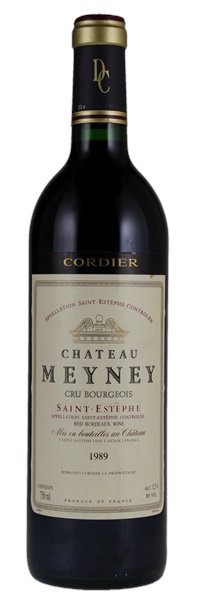
Image above is an example. To view the image of the lot, click the item number.
Estimate
Dark-colored, sporting loads of minty, berry and chocolate aromas and flavors. Full-bodied, with plenty of velvety tannins and a long, rich finish. Built for aging.--
The opaque, black/ruby color, a bouquet of minerals and damson plums, the alcoholic, massive flavors and the mouthcoating tannins all combine to create a sensory overload.
 Preferred storage and shipping partner of
 Share
Share
 Post
Post
 Tweet
Tweet
 Copy Link






 <
<
 >
> service@winebid.com
 (888) 638-8968