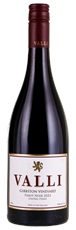
...pomegranate and strawberry, rosehip and crushed walnuts...spicy wine with lashings of black tea, fine tannins, pliable structure and an effortless flow of fruit in the mouth.
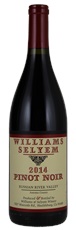
...twists and turns with its florals, wild herbs, fennel and licorice, which make for layers of interest with the red cherry and raspberry fruit showing through on the finish...quality of the tannins is refined and has a sense of coating the palate with a cocoa powder-like fineness.
Otago, also referred to as Central Otago, is one of the world’s most southern wine producing regions. Located in the interior of the southern end of New Zealand’s South Island, it includes about 5,000 vineyard acres, nearly 70% of which are planted to Pinot Noir. The remaining acres are planted to Chardonnay, Sauvignon Blanc, Riesling, Pinot Gris and Gewurztraminer. Most Otago vineyards are at 1,000 feet above sea level and are exposed to wide daily temperature swings. Days are hot and nights are cold. Summers are dry but substantial snows are normal in winter. Europeans moved to the area in the 1860s during a rush to find gold, and the first grape vines were planted by a French gold miner who decided it might be lucrative to make wine. Serious commercial wine production didn’t start until the mid-20th century, however, and most expansion has come since the 1990s. In 1996 there were 11 wineries in Otago; today there are nearly 100.
This red wine is relatively light and can pair with a wide variety of foods. The grape prefers cooler climates and the wine is most often associated with Burgundy, Champagne and the U.S. west coast. Regional differences make it nearly as fickle as it is flexible.