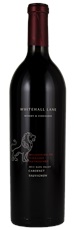
Liparita was established in Napa Valley in the late 19th century when William Keyes, a geologist and wine lover, bought land in Napa that reminded him of the volcanic soil of the Lipari Islands near Sicily. Keyes made wine from Howell Mountain vineyards in the early 20th century but the estate closed during Prohibition, reopening in 1987 when it was purchased by San Francisco entrepreneur. In 2006 Spencer Hoopes, a wine collector and entrepreneur, purchased the estate. Today the estate sources grapes from several Napa Valley appellations and makes Cabernet Sauvignon.
Rutherford AVA is just north of the Oakville AVA in the heart of Napa Valley, and it is equally distinguished. It is home to Beaulieu Vineyard and inglenook, arguably Napa Valley’s most historically influential wineries. Inglenook started making in wine in the late 19th century, and Beaulieu Vineyards was producing by the first years of the 20th century. BV founder Georges de Latour is particularly esteemed for having recruited Andre Tchelistcheff, a renowned research oenologist, to move from France to Napa Valley in 1938 and run BV’s winemaking. The legendary Tchelistcheff brought European winemaking techniques to Napa Valley and vastly improved wine quality. Other Rutherford winemakers followed his lead. Today there are 5,000 vineyard acres in Rutherford and many acclaimed producers. The famous Silverado Trail with its exclusive, limited production wineries, runs partly through Rutherford AVA. Rutherford Cabernet Sauvignons are characterized by supple tannins, richness, notes of cherry and plum, depth and the ability to age for several decades. Besides Cabernet Sauvignon the AVA also grows Chardonnay, Merlot, Sauvignon Blanc and Zinfandel. It received its AVA designation in 1994.
One of the most widely grown grape varieties, it can be found in nearly every wine growing region. A cross between Cabernet Franc and Sauvignon Blanc. It’s a hardy vine that produces a full-bodied wine with high tannins and great aging potential.


 Preferred storage and shipping partner of
 Share
Share
 Post
Post
 Tweet
Tweet
 Copy Link






 <
<
 >
> service@winebid.com
 (888) 638-8968